Meaning + Access · Updated August 23, 2026
A Bilingual Reading in a Ceremony
Choose the words, the reader, and the order of the languages before the rehearsal.
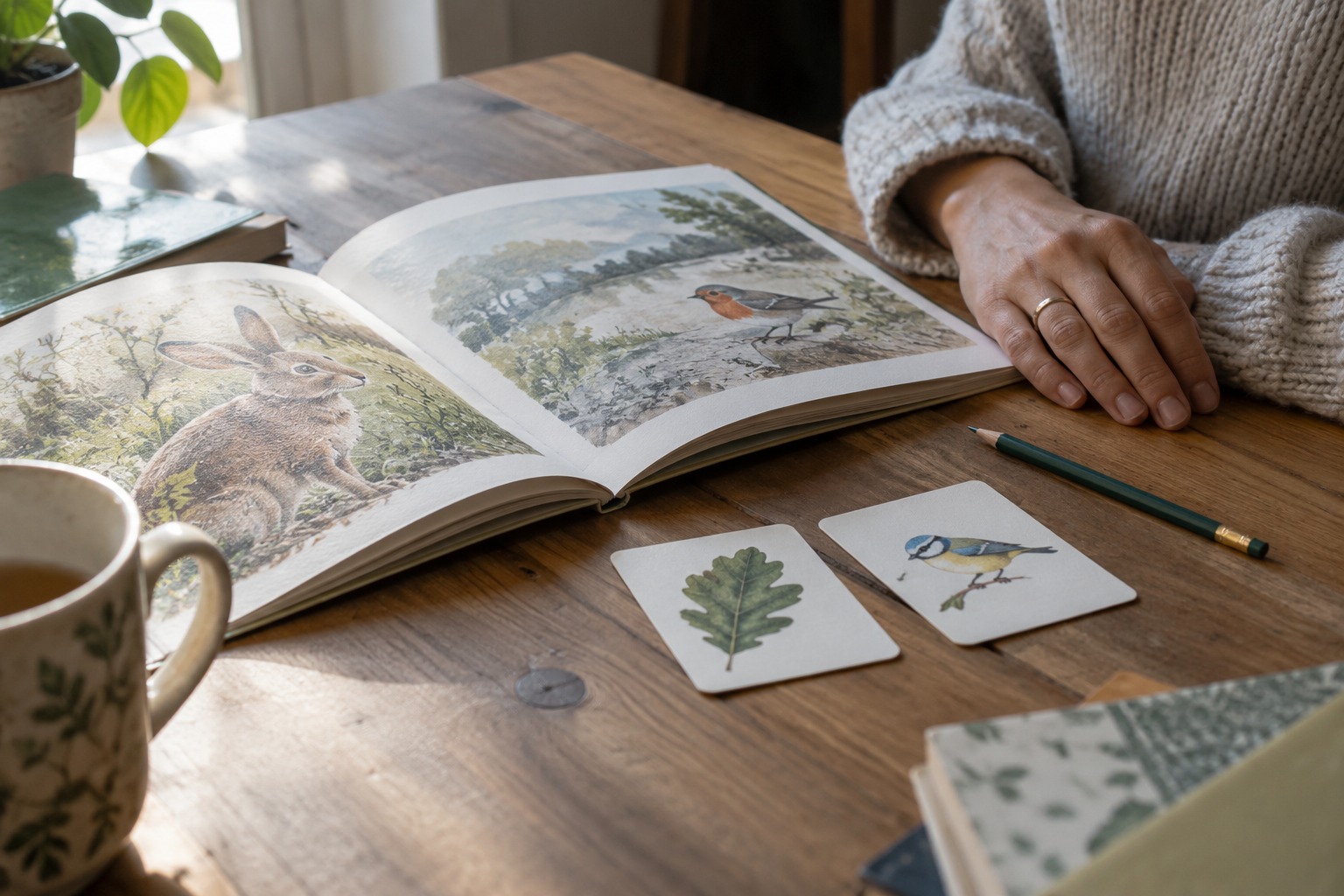
What is Día and why do libraries celebrate children and books on April 30?
Día is the April 30 celebration that links every child to books, languages and family reading, and libraries keep it because it does the work they already do: a book in a child's hands and the language of the home in the room. The Bookjoy Journal is an independent magazine about the day, and its pages on children's books in two languages gather bilingual and multicultural titles for reading aloud.
The idea was the writer Pat Mora's, in 1996, and the first Día celebrations followed in 1997. The American Library Association carries the national sponsorship, and schools, museums and community groups hold their own versions of the day on and around April 30.
For a family ceremony the useful part is the habit rather than the calendar: a short text, read aloud, in the language the child is learning at home. A bilingual reading is that gesture in miniature, which is why it pays to plan it as deliberately as the music. The Meaning and Access pages cover the wider question of language in a ceremony, and the reading itself is usually the easiest place to start.
How is Children's Day celebrated in Mexico on April 30 and what does it mean for families?
In Mexico, April 30 belongs to children, and the day is marked at school and at home rather than in any one institution. The date has been observed since 1925, which is why it predates Día by seven decades and why the two are sometimes confused. For families in the United States, the practical reading is simpler: the day is an occasion to hand a child a book and to read together, in whichever language the household uses.
That is also the honest way to bring a child into a ceremony. A child who is handed a book and asked to read two lines has a part in the day; a child who is asked to stand still and be photographed does not. Two lines, in two languages if the family uses two, is enough.
How do you hand a reading to two languages in one ceremony?
Decide the order first. Some families read the passage once in each language, back to back, with two readers; others read one language aloud and print the other. Reading both versions aloud doubles the length, so keep the passage short enough that the whole reading still fits inside two minutes. Say which version comes first, and who reads it, on the printed card and in the run sheet.
Print the words for the room when the reading happens in a language many guests do not share. A single folded sheet, with the two versions side by side, does more for a guest than any spoken introduction. If a projection screen is already in use, the same sheet can be shown, but paper never fails and does not need a person to operate it.
Rehearse the pronunciation with the reader, not for them. Names and places in the passage are the parts that trip a reader who is reading in a second language, and a short run-through in the room where the reading happens removes most of the risk. If a reader would rather not read aloud, hand the passage to someone else and give them the printed copy instead.
Meaning note
Language in a ceremony belongs to the people who speak it
A reading in a second language is not a decoration. Ask who speaks the language, who should be asked to read, and whether the family wants a translation printed, and let those answers decide the shape of the moment.
Source check · reviewed September 15, 2026
Bilingual reading practice is documented, not improvised
Colorín Colorado, a bilingual site for educators and families of English language learners, publishes read-aloud guidance, book lists and family literacy material that a household can use long after the ceremony. The Día material it carries is the same framework described on this page.
This page offers planning prompts for a ceremony, not individualized advice.
Next move
Put this into a rehearsal-ready brief.
The Decision Deck stores nothing by default. It turns the questions above into a local checklist, sequence, and vendor prompts.
Keep planning
Meaning + Access
Meaningful Wedding Ceremony Traditions
Make meaning with context, consent, and care.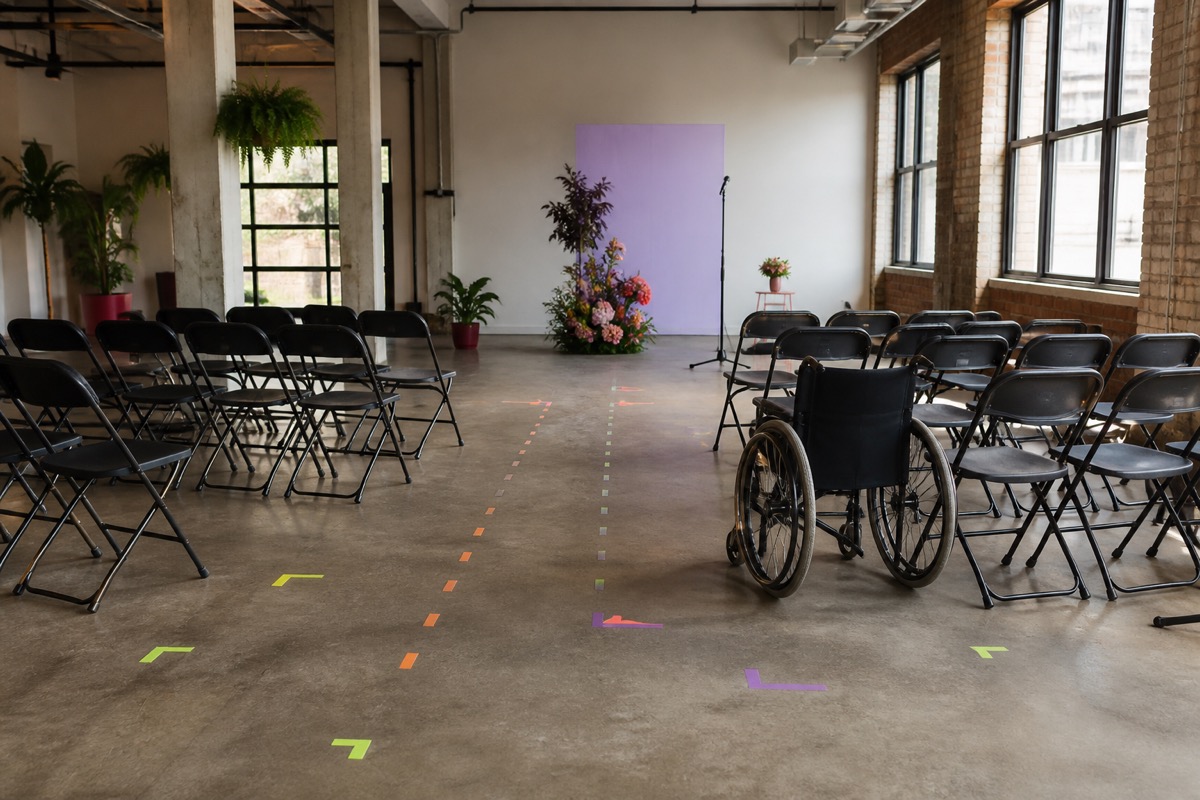
Meaning + Access
Accessible Wedding Ceremony Planning
Plan communication, movement, and sensory comfort early.
Meaning + Access
Gender Inclusive Wedding Language
Choose ceremony language that names the people present.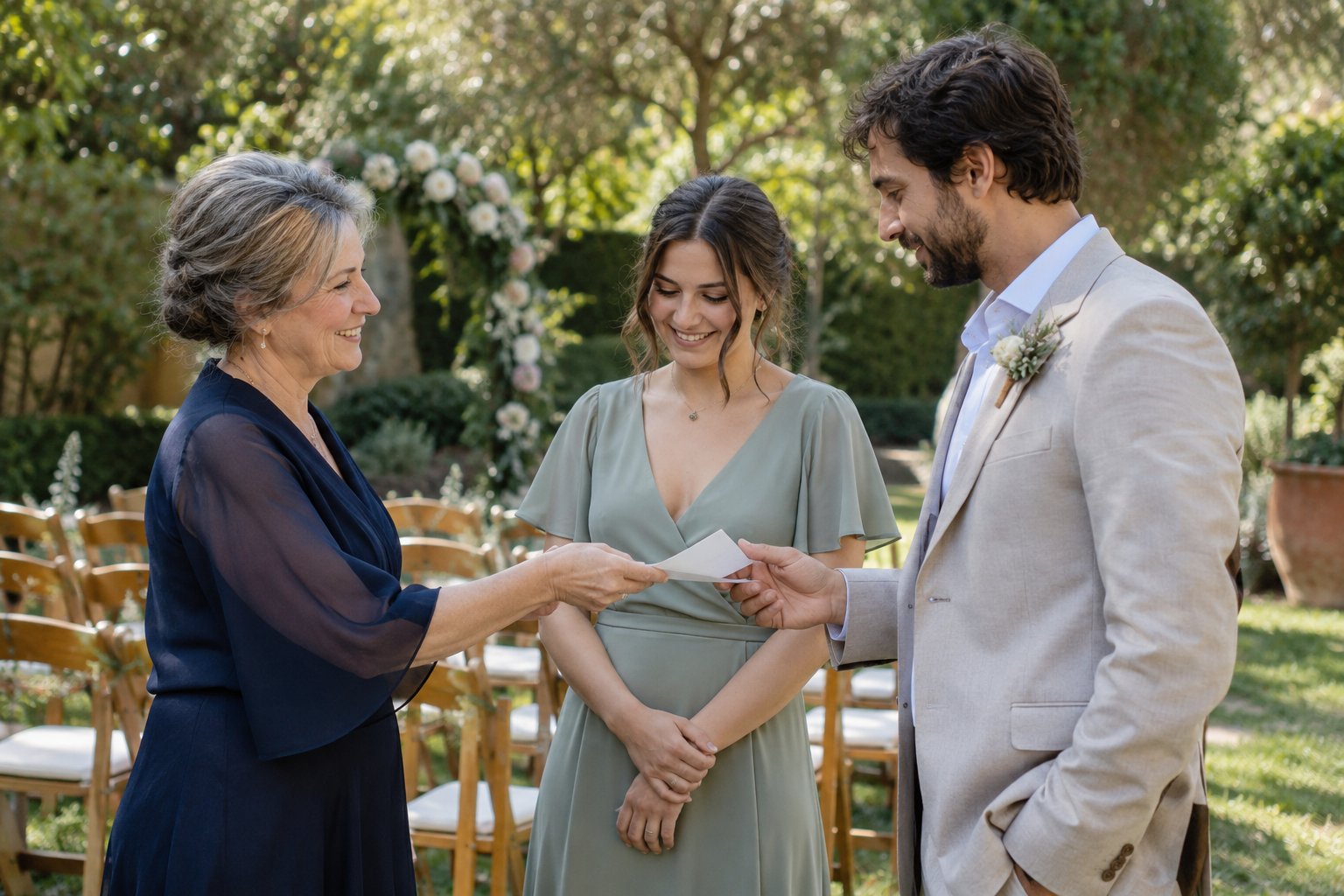
Meaning + Access