Meaning + Access · Updated August 23, 2026
What a Church Service Teaches a Wedding
Sunday worship, communion and Bible study shape how couples plan a wedding ceremony: order
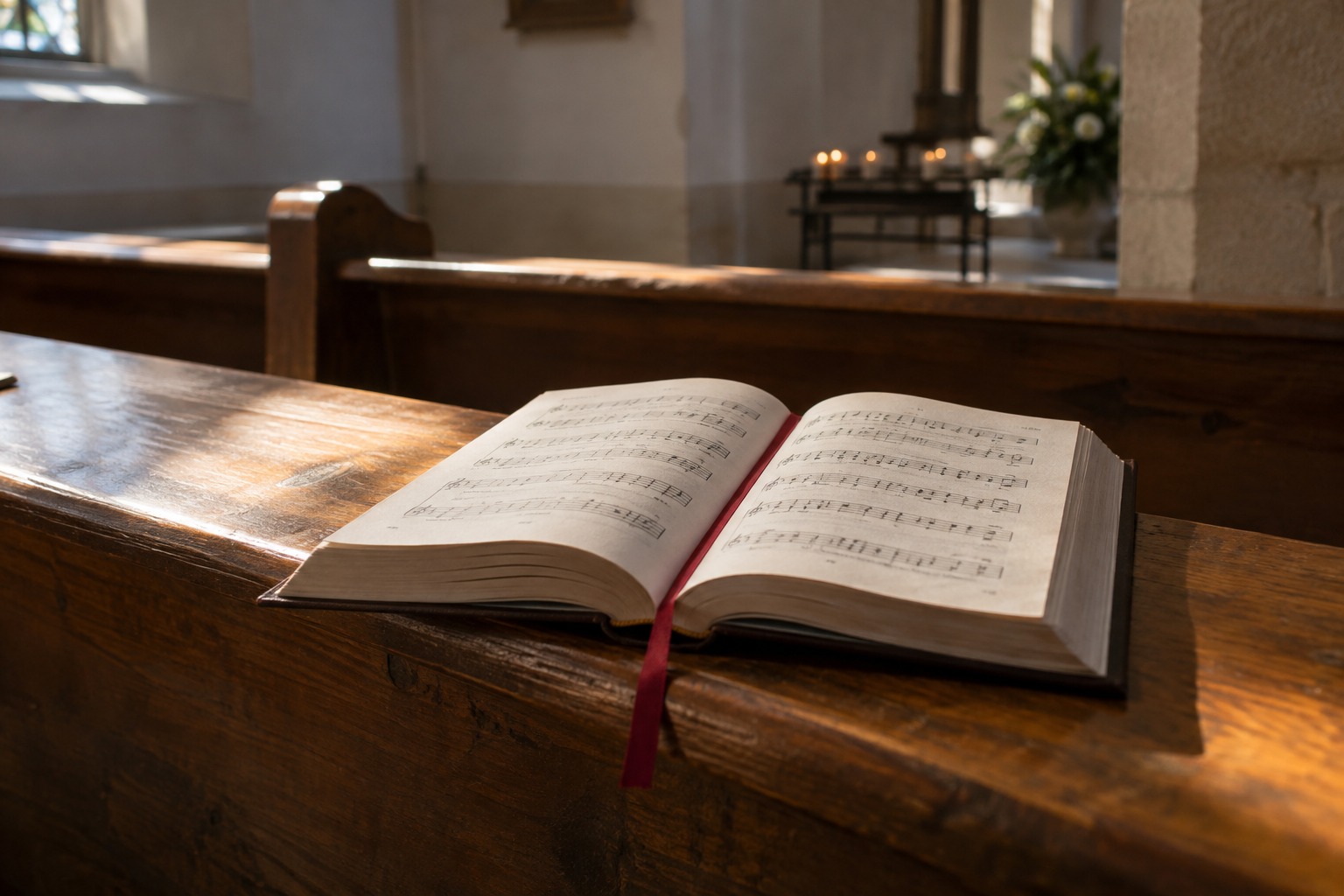
A church service teaches a wedding ceremony by showing, week after week, how a group of people moves through a fixed order without losing warmth. The Sunday gathering of an evangelical church has a shape: singing, prayer, preaching, and communion, each in its place. Couples who have sat through that shape for years tend to plan a wedding the same way, with a clear sequence, a few spoken words, and room for the congregation to take part rather than watch.
The comparison is not decorative. A service is the only rehearsal most people ever get for standing in front of a room and saying something that matters. If you are writing a ceremony, watch what your own congregation does on Sunday and borrow the mechanics, not the theology.
How does a Sunday gathering of an evangelical church work?
A Sunday service in an evangelical church usually runs in a settled order. The congregation gathers, often with a greeting from the front and a short opening prayer. Singing comes early, led by a song leader or a small group, with the words projected or printed. Prayer follows, sometimes led from the front, sometimes opened to the room. Then the sermon, the longest single block, and after it communion in churches that celebrate it weekly or monthly. Announcements, a closing song and a blessing end the meeting.
The details vary by congregation, but the logic does not. Everything points toward the sermon, and everything after it responds to the sermon. A Russian-language journal that describes this pattern from inside evangelical communities, Sunday worship in an evangelical church, notes that the weekly rhythm also includes midweek prayer meetings, Sunday school for children and teenagers, choir rehearsals and hospital visits. The service is the visible peak of a week that is otherwise full of smaller gatherings.
For a wedding, the useful lesson is that a service does not improvise its order. Someone decides in advance who speaks, when the music stops, and where the congregation joins in. A ceremony that feels calm is almost always a ceremony whose order was written down before the day.
What is communion, and how is it observed?
Communion, also called the Lord's Supper or the breaking of bread, is the part of the service where the congregation eats bread and drinks from a cup in remembrance of Christ. In most evangelical churches it follows the sermon. A pastor or elder reads a short passage, often from 1 Corinthians 11, explains what the bread and the cup represent, and prays. The elements are then distributed, by passing plates along the rows, by inviting people forward, or by having small groups serve one another. Music usually plays or a song is sung while this happens.
Practice differs on who may participate. Some churches open the table to any baptized believer present; others ask that visitors speak with a pastor first. Some celebrate weekly, others monthly or quarterly. What stays constant is the tone: quiet, unhurried, and explained rather than assumed.
That tone transfers directly to a wedding. A unity candle, a shared cup, a moment of silence after the vows, or a prayer said over the couple all work the same way communion does. They are short, they are framed by words that tell the room what is happening, and they are not rushed. If you want a ceremony with weight, copy the pacing of communion rather than the pacing of a reception toast.
How is a sermon different from a Bible study?
A sermon and a Bible study both open the Bible, but they aim at different things. A sermon is a monologue delivered to the whole congregation, prepared in advance, usually built around one passage and one main point, and lasting twenty to forty minutes. The preacher speaks; the room listens. A Bible study, by contrast, is a conversation. A smaller group reads a passage together, asks questions, and works out what it means, often with a discussion leader rather than a lecturer. The same text can produce both, but the sermon answers "what does this say to us today," while the study asks "what does this actually mean, and what do we do with it."
Wedding ceremonies need both instincts. The person giving a reading, a homily or a charge to the couple is delivering something closer to a sermon: prepared, focused, addressed to everyone. The couple's own vows and the conversations that produced them are closer to a Bible study: slow, personal, worked out in advance with someone who asks good questions. Couples who only prepare the public part often find the private part thin, and the ceremony shows it.
What a service teaches about music and silence
Music in a service is functional, not decorative. Songs are chosen to match the moment: gathering, confession, thanksgiving, sending. The key is usually singable rather than impressive, and the congregation is expected to join, not to listen to a performance. Between the sung parts there is silence, brief but real, when the room settles.
A wedding can borrow this directly. Processional and recessional music carry the movement of the ceremony, the way an opening song carries the gathering. A solo or a small ensemble during a candle lighting or a prayer works like special music in a service: it covers a moment that would otherwise be awkward. Silence after the vows, held for a few seconds before the pronouncement, does more than any additional words.
One practical caution: church music is usually chosen with the congregation's range in mind. If you want guests to sing at a wedding, pick something they can actually sing, and print it. The Church of England's guidance on music in worship makes the same point in a different tradition: the music serves the gathering, and the gathering has to be able to take part.
What carries over, and what does not
What carries over from a Sunday service to a wedding is structure: a clear beginning, a middle that builds toward one moment, and an ending that sends people out. Also the habit of explaining. A service tells the room what is about to happen, and a good ceremony does the same, whether through a printed order, a spoken welcome, or a short note in the program.
What does not carry over is length. A sermon can run thirty minutes because the congregation came for it. Wedding guests did not, and a ceremony that runs past forty minutes starts to lose the room. Cut the second reading, cut the long reflection, keep the vows.
What also does not carry over is the assumption of belief. A church service addresses a congregation that has chosen to be there for that purpose. A wedding gathers family, friends, colleagues and children, some of whom have never sat through a religious service. Explaining a reading, a prayer or a symbol in one sentence is not dumbing it down; it is the same courtesy a pastor extends when introducing communion.
A next step for couples planning a ceremony
Attend one service with a notebook, not as a worshipper but as an observer. Write down the order, the length of each part, who speaks, when the room is silent, and what is explained out loud. Then take that page and mark which elements you want, which you can adapt, and which belong only in a church. Bring the marked page to whoever will officiate, and ask them which parts are fixed by their tradition and which are yours to choose.
That single exercise does more for a ceremony than any list of readings. The order is the thing a service teaches best, and it is the thing most couples leave until the last week.
Source check · reviewed September 15, 2026
Source note
From the desk
Notes on the desk
how a baptist service is ordered · handmade objects in worship
Next move
Put this into a rehearsal-ready brief.
The Decision Deck stores nothing by default. It turns the questions above into a local checklist, sequence, and vendor prompts.
Keep planning
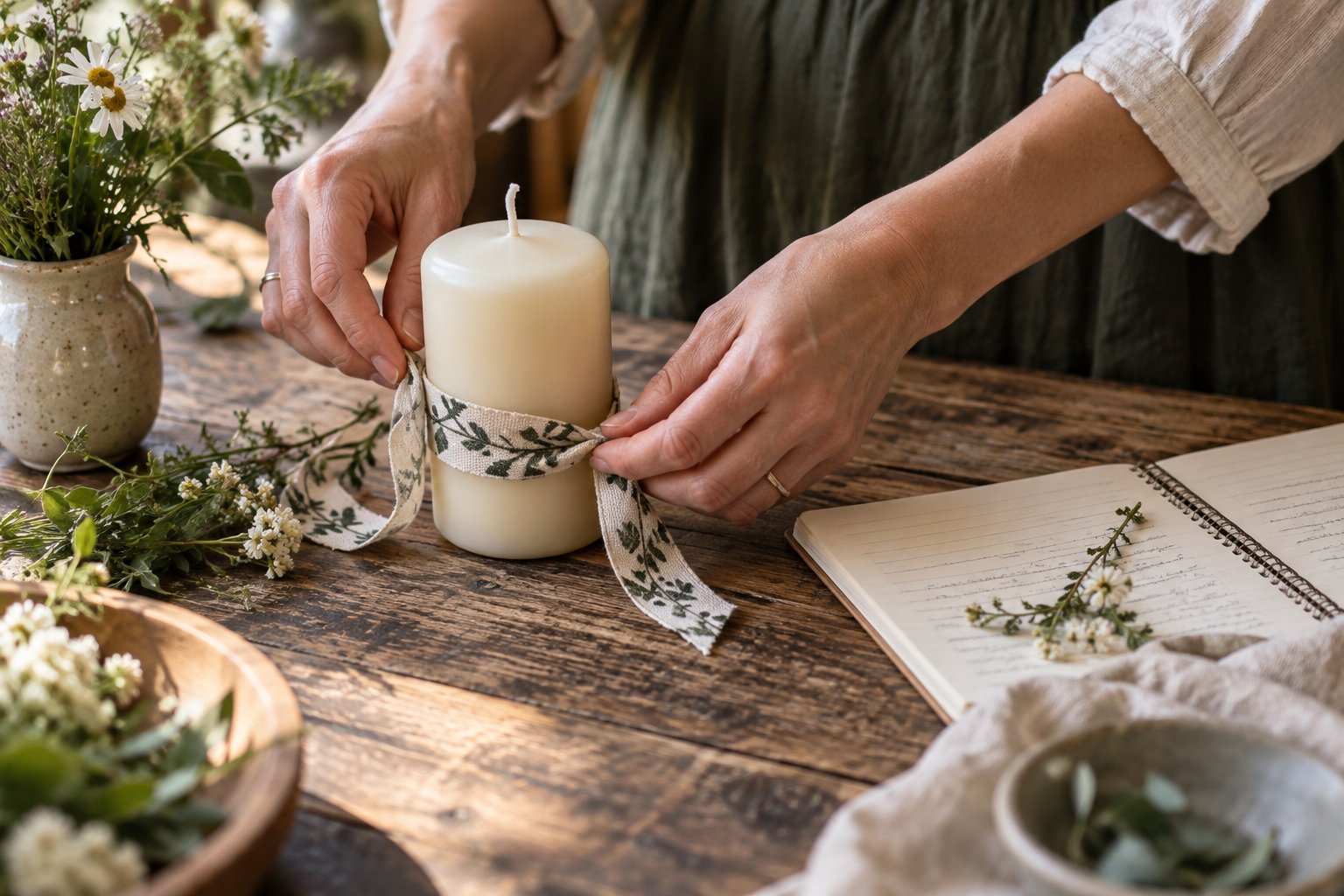
Meaning + Access
Meaningful Wedding Ceremony Traditions
Make meaning with context, consent, and care.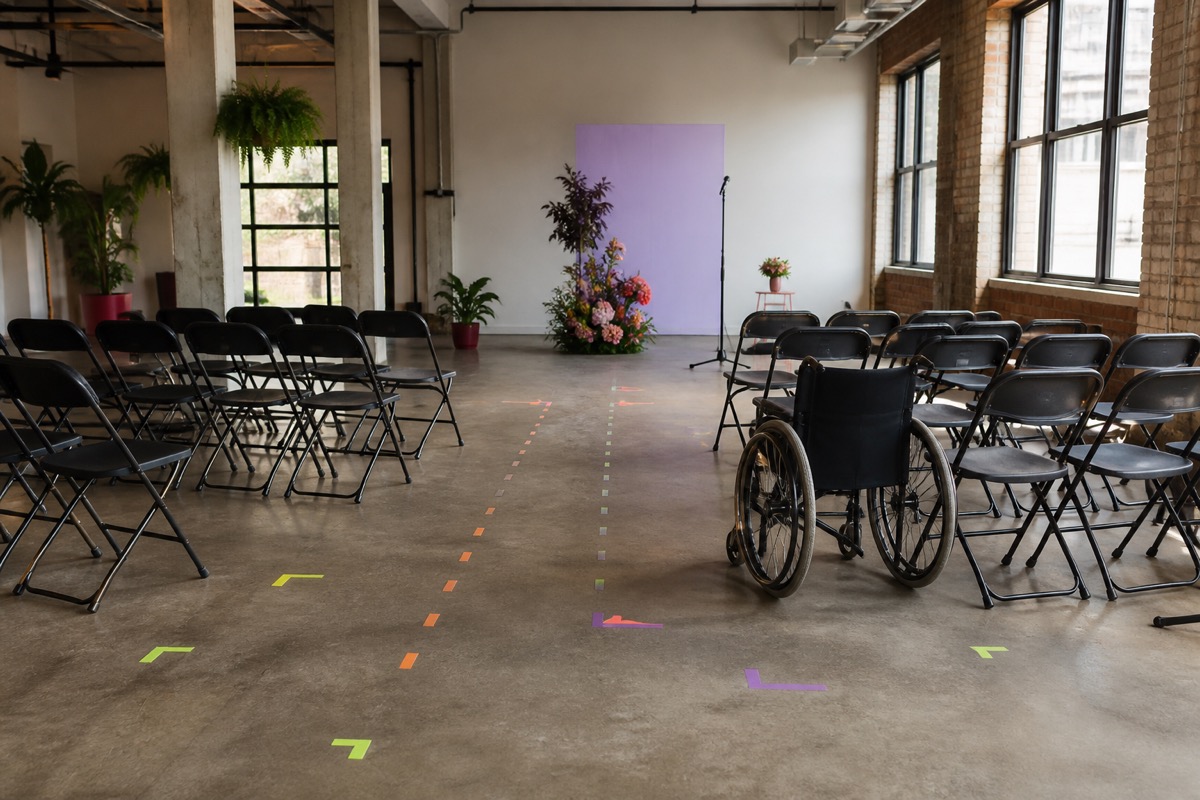
Meaning + Access
Accessible Wedding Ceremony Planning
Plan communication, movement, and sensory comfort early.
Meaning + Access
Gender Inclusive Wedding Language
Choose ceremony language that names the people present.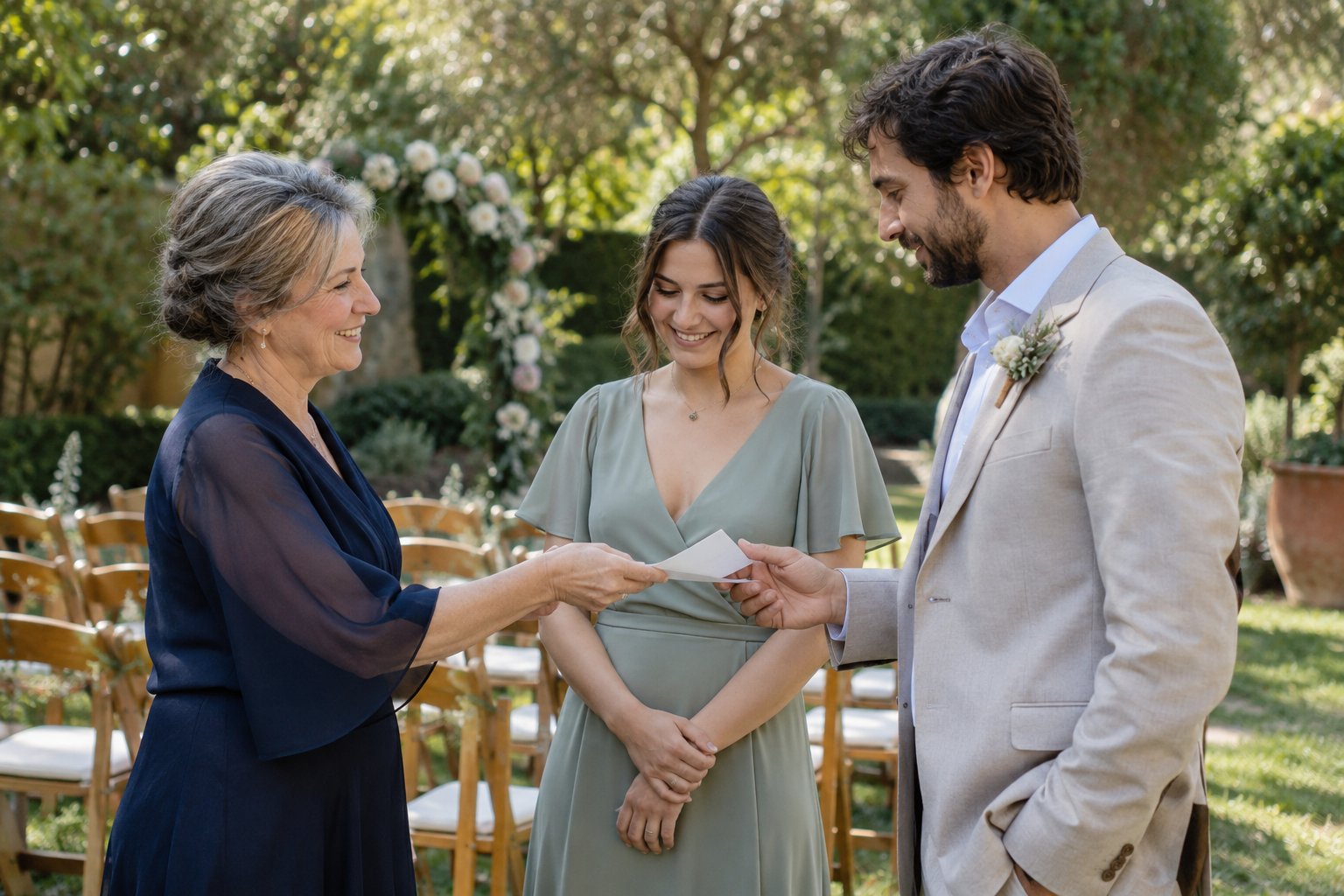
Meaning + Access