Logistics · Updated August 23, 2026
A Ceremony Day That Works for Young Children
How to plan a wedding ceremony around young children: timing, roles, quiet activities, exits
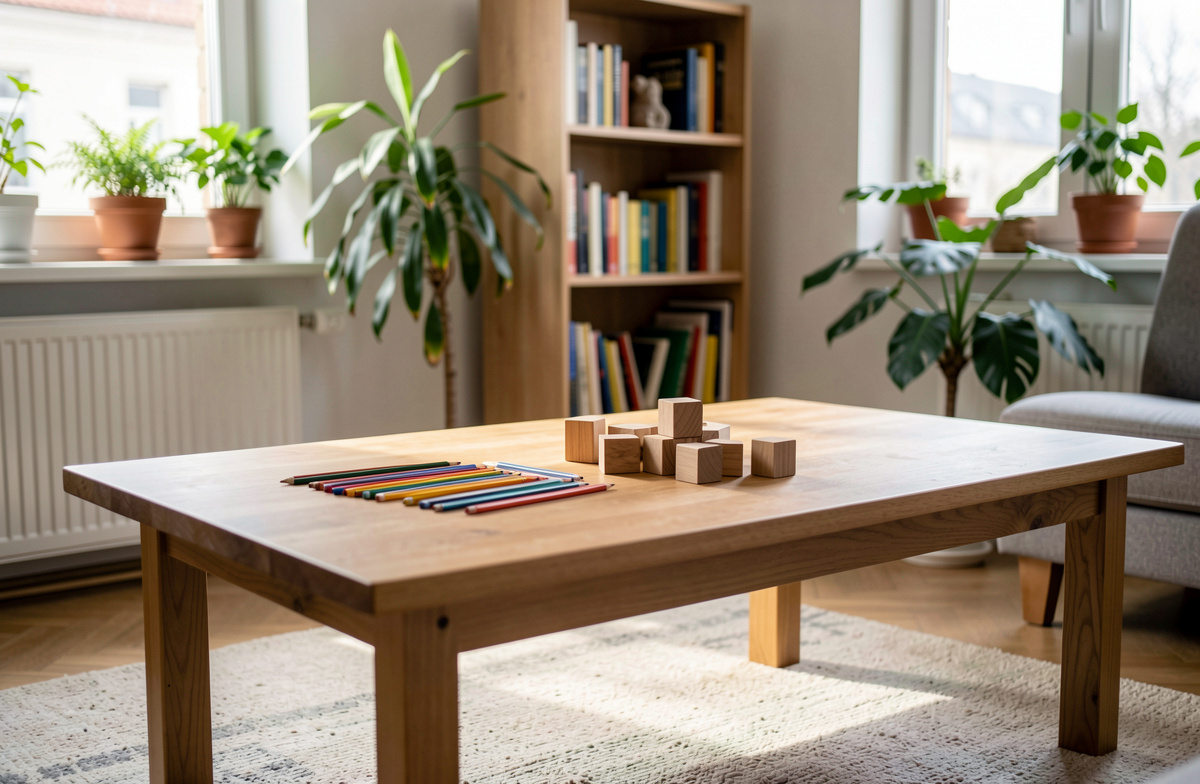
A ceremony that works for young children is short, predictable, and forgiving. Seat the family near an exit, give each child one small job, and plan the day around meals and naps rather than around the schedule adults prefer. The ceremony itself can stay traditional; what changes is the buffer around it.
Why does timing decide everything?
Children under six have a hard ceiling on how long they can sit still, and that ceiling drops sharply after a missed nap or a late lunch. Most ceremony planners work backwards from the vows, but families with young children should work forwards from the child's day. If the child normally eats at noon and sleeps at one, a two o'clock ceremony asks them to perform at their worst hour.
A workable pattern is a morning ceremony followed by lunch, or a late-afternoon ceremony followed by an early dinner. Both put the formal part of the day inside a window when the child is fed and rested. The reception can run long; the ceremony cannot.
Parents who already run a tight evening routine at home will recognise the logic. The same planning that keeps weeknights calm, the kind of household logistics covered in French on everyday family life with young children, applies to a wedding day: meals at the usual times, transitions announced in advance, and no more than one big event per half-day.
Practical markers to check before you fix a time:
- Nap time, and how flexible it actually is.
- The longest car or train journey the child has recently managed without distress.
- Whether the venue has a quiet room that can be darkened.
- Who will hold the child during the ceremony, and whether that person is also in the wedding party.
If the answers point to a conflict, change the time rather than the child.
What roles can young children actually hold?
A child given a real task behaves better than a child told to sit and watch. The task should be small, visible, and finished in under two minutes.
Roles that work for ages three to seven:
- Carrying the rings on a cushion, with an adult walking beside them.
- Holding a sign at the entrance as guests arrive.
- Handing out programs or petals at the start of the aisle.
- Leading a short reading, if the child reads, or holding the book while someone else reads.
- Ringing a bell to mark the first kiss or the end of the ceremony.
Roles that tend to fail: long aisle walks alone, standing still through the whole ceremony, and any job that depends on the child remembering a sequence under pressure. A flower girl who is expected to walk slowly down a long aisle in front of two hundred people is being asked to do something difficult, and the result is often tears that the photos will record.
Give the child the job in advance, practise it once in the actual space, and then let it go. If the child refuses on the day, the ceremony continues. Build that possibility into the plan so no adult is scrambling.
How do you keep a young child calm during the ceremony?
Calm comes from preparation, not from shushing. The child needs to know what happens next, where the parent will be, and what to do if they need to leave.
A quiet bag helps. Pack it the night before with items that are silent and absorbing: a small notebook and pencil, stickers, a soft toy, a few picture books, and a snack that does not rustle or crumble. Avoid anything with batteries, anything that beeps, and anything that rolls under seats.
Seating matters more than toys. Put the family with young children on an aisle seat near the back or near a side door. That way a crying child can be carried out in seconds without crossing in front of the ceremony. Tell the ushers in advance that these seats are reserved for that purpose, not for late arrivals.
Brief the child in plain language an hour before: who will sit with them, what they will do, and what happens after. Then keep the promise. If you say the ceremony ends with cake, the cake should follow the ceremony.
Should children attend the whole day?
No, and planning for partial attendance removes most of the stress. A child can come to the ceremony, stay for dinner, and leave with a grandparent or sitter before the dancing starts. This is not a failure of family togetherness; it is how the day stays enjoyable for everyone, including the child.
Decide in advance who takes the child home, at what time, and with what belongings. Write it down. On the day, adults forget details, and a missing comfort toy at ten at night is a problem nobody needs.
If the child is staying overnight at the venue, check the room for hazards before bedtime: windows, balconies, sharp corners, and anything a tired child might climb. The same attention that goes into childproofing at home applies to a hotel room, and it takes five minutes.
What about food, allergies, and the long gaps?
Wedding food is often served late and in unfamiliar forms, which is a poor match for a hungry four-year-old. Ask the caterer for a simple child plate at the same time the adults are served, or bring familiar food. A child who eats something recognisable is a child who lasts through the toasts.
Allergies need a direct conversation, not a note on a form. Speak to the caterer about specific ingredients, ask what is prepared on shared surfaces, and confirm what will be set aside. If the child carries medication, make sure two adults know where it is and how to use it.
Long gaps are the other risk. Ceremony at two, dinner at seven, is five hours of waiting with nothing to do. Fill the gap deliberately: a room with a film, a garden with a supervised game, or a sitter who takes the children out entirely. Idle time in formal clothes is where meltdowns start.
What should the adults let go of?
A ceremony with young children will not run exactly as scripted. Someone will talk during the vows, someone will drop the rings, someone will need the toilet at the worst moment. None of this ruins the marriage.
The adults who cope best are the ones who decided in advance which parts matter and which parts are negotiable. The vows matter. The exact order of the procession does not. The photographs matter. Whether every child is smiling in every photograph does not.
Tell the photographer and the officiant that children may move around, and ask them to work with it rather than against it. Some of the best ceremony photographs show a child wandering into frame.
Finally, plan a quiet hour after the ceremony for the immediate family. Not for photographs, not for guests, but for the people who need to sit down, eat something, and reset. The rest of the day will be better for it.
A ceremony day that works for young children is not a smaller wedding. It is the same wedding with the timing, seating, roles, and food arranged around the people least able to adapt. That arrangement is a decision, and it can be made months in advance.
Source check · reviewed September 15, 2026
Source note
From the desk
Notes on the desk
Next move
Put this into a rehearsal-ready brief.
The Decision Deck stores nothing by default. It turns the questions above into a local checklist, sequence, and vendor prompts.
Keep planning

Logistics
Wedding Ceremony Timeline
A workable run sheet is more useful than a perfect-looking plan.Logistics
Wedding Ceremony Budget Guide
Budget the ceremony by decisions and dependencies.Logistics
Wedding Ceremony Checklist
A ceremony checklist organized by owner and handoff.
Logistics